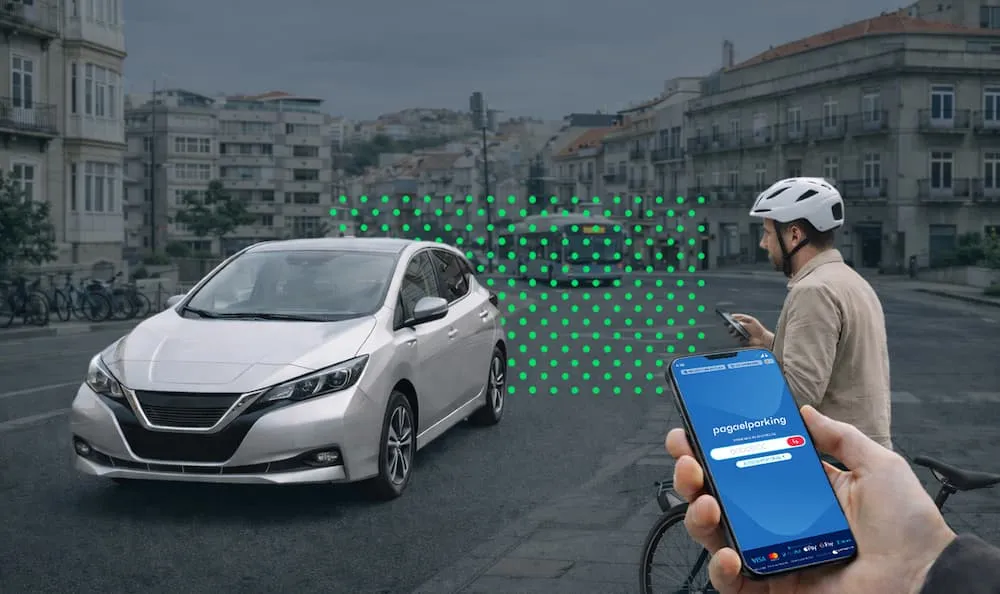
Digital transformation applied to urban mobility
Digital transformation is profoundly changing the way cities manage mobility. Urban growth, traffic congestion and the need to reduce emissions are driving the adoption of smart technologies. Therefore, these allow optimizing transport and improving the citizen experience. In this context, digital transformation applied to urban mobility not only implies introducing new technological tools. Also, rethinking how urban infrastructures are designed and managed. The use of data, digital platforms and smart solutions allows advancing towards more efficient, sustainable and connected cities.
Digital transformation and the new smart city model
To begin with, smart urban mobility is part of the concept of smart city. This model is based on the integration of technology, connected infrastructures and data-driven management systems to improve travel within the city. Current trends point towards an increasingly digitized mobility system. In it, the use of data in real time allows optimizing routes, reducing waiting times and improving transport planning. Furthermore, the urban model is evolving towards more sustainable and people-centric cities. In it, different means of transport are combined and unnecessary trips are reduced.
The role of smart parkings in urban mobility
One of the key elements of digital transformation in urban mobility is smart parking management. Although often unnoticed, parkings play a fundamental role in the organization of urban traffic. Technological solutions like those of i+D3 allow digitizing parking management. Thus, through integrated hardware and software systems that optimize access, control and operational management of parkings. An example is 4Park, a platform designed to manage parkings smartly, automating processes and improving operational control. This type of solutions allows improving efficiency, increasing profitability and offering a better user experience.
Centralized management and digital transformation of parkings
As cities grow, managing multiple parkings becomes more complex. In this way, digital platforms allow centralizing management and optimizing operations. The 4Park Operator solution allows managing entire parking networks from a single digital environment. This facilitates process automation, access control and supervision of different facilities centrally. This type of systems are especially relevant in urban environments where mobility increasingly depends on the integration between physical infrastructures and digital platforms.
Electromobility and sustainability in cities
Digital transformation is also driving the transition towards more sustainable mobility. The electrification of transport is one of the main trends redefining the urban ecosystem. Parkings are becoming key infrastructures to facilitate this transition, integrating services and technologies adapted to electric vehicles. The incorporation of technological solutions allows managing the infrastructure more efficiently and adapting it to mobility needs. This change not only contributes to reducing emissions, but also drives new models of urban mobility that are more efficient.
Automation and remote assistance in urban infrastructures
Another important aspect of digital transformation is service automation. Digitalization allows managing urban infrastructures remotely, reducing operational costs and improving the user experience. For example, remote assistance services for parkings allow resolving incidents. As well as attending users and supervising facilities without the need for on-site staff. These solutions contribute to creating more efficient urban infrastructures, where technology facilitates management and improves service.
Data and innovation to improve urban mobility
Smart traffic management and the use of advanced analytics are allowing data to be transformed into strategic decisions. Thanks to sensors, digital platforms and analysis systems, it is possible to anticipate congestion, optimize infrastructures and improve urban planning. Technology companies specialized in mobility such as i+D3 are developing solutions that integrate engineering, data and technology. In this way, they can create systems capable of improving the efficiency of urban transport and reducing its environmental impact. This allows advancing towards smarter mobility, where urban infrastructures adapt to the needs of citizens.
The future of urban mobility lies in digital transformation
Urban mobility will continue to evolve in the coming years towards an increasingly digitized, sustainable and connected model. The integration of technology, data and smart solutions will allow optimizing transport management and improving cities. Digital transformation applied to urban mobility represents a technological opportunity. In addition to a key tool to build more efficient, accessible and sustainable cities.