Smart city parking systems: connecting car parks and regulated zones
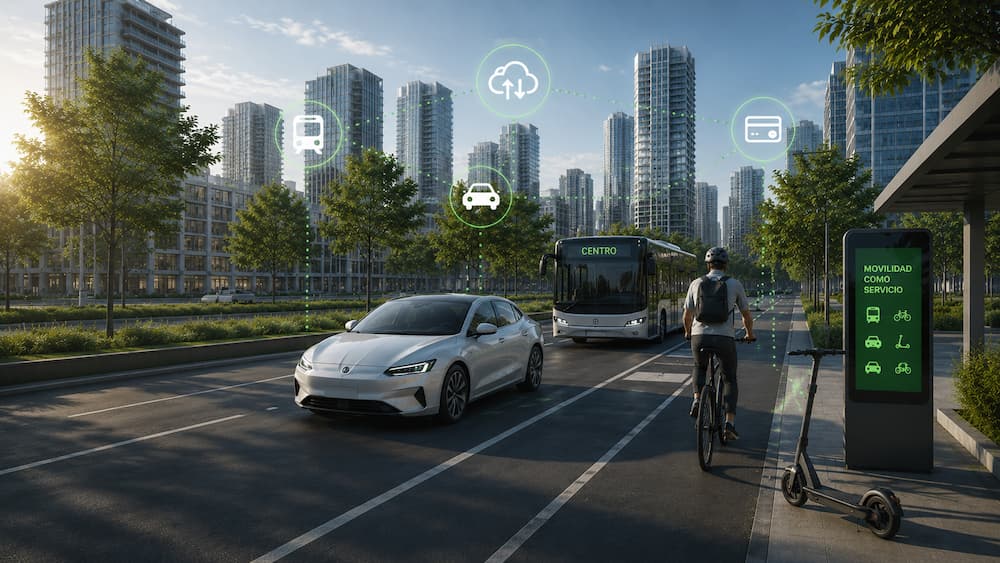
A smart city uses data and technology to improve public services. Car parks, street parking and digital platforms can share information to make travel easier.
Connected parking services can share availability information and coordinate operations. They also give drivers more parking options.
That was the idea behind 3SCPark, i+d3's Smart Parking concept for linking on-street and off-street parking.
How do smart city parking systems work and what can they offer cities?
What is a smart city parking system?
A smart city parking system connects different parking facilities to exchange data and coordinate services.
It gathers data on occupancy, prices and parking rules. Connected platforms can then use that information.
For example, if a regulated parking zone is full, the system can show nearby car parks with available spaces.
Drivers can compare more options. Local authorities can use the same data to manage parking across the city.
Unlike a standalone car park, a connected system can share parking data with other city services.
3SCPark: connecting parking across a city
i+d3 conceived 3SCPark as an integration concept linking public car parks with regulated on-street parking.
Its architecture envisaged connecting different technologies to exchange information and coordinate operations.
Key components included 3ParkOnline and 3ParkOnStreet, designed for different parking environments.
3ParkOnline: managing off-street car parks
3ParkOnline focused on connected management services for off-street parking facilities.
The concept brought together tools for operations and driver interactions:
- Control centre: monitoring and administration of connected car parks.
- Mobile app: finding facilities and using access and payment services.
- Website: commercial information and parking reservations.
- Parking equipment: connecting access devices and other equipment to management systems.
3ParkOnline was designed to share car park locations, prices and occupancy data with the smart city platform.
3ParkOnStreet: managing regulated street parking
3ParkOnStreet addressed on-street parking, including regulated paid parking zones.
Its model included several service and control channels:
- Mobile apps for drivers.
- Parking meters and payment channels.
- Digital tools for enforcement staff.
- Services linked to local retailers.
- A central monitoring environment.
Connecting to 3SCPark would make availability, prices and parking rules accessible to other connected facilities.
Information exchange between systems
The central feature of 3SCPark was connecting both environments.
3ParkOnline supplied off-street parking information, while 3ParkOnStreet contributed data from regulated street parking.
Combining these sources would allow cities to see more parking options and develop services using shared information.
How connected parking works: a practical example
Imagine a driver arriving in a shopping district and needing several hours of parking.
1. Checking options. A connected app shows parking zones and car parks providing availability information.
2. Checking conditions. Where data are available, the user can review prices, operating hours and maximum stay limits.
3. Finding an alternative. If regulated spaces are full or their time limits are unsuitable, the app can show a nearby car park.
4. Booking or paying. If the facility supports compatible services, the driver can reserve or pay through available channels.
5. Using the facility. Operations are recorded and shared information is updated.
This illustrates a possible smart parking workflow. Actual features depend on connected facilities, data quality and enabled services.
What information can smart parking systems share?
Connecting equipment alone is insufficient. Cities must determine what information is shared and how it stays current.
Useful data include:
- Location: where car parks and regulated spaces are situated.
- Availability: vacant spaces or occupancy levels.
- Tariffs: parking prices and terms.
- Schedules and restrictions: operating times and stay limits.
- Operational information: service status and incidents affecting availability.
These data inform drivers and help authorities understand how demand is distributed.
Accuracy depends on the source, however. A system counting entrances and exits may not provide the same level of detail as individual space sensors.
Before integrating technologies, check what each facility can report and how often records are updated.
Connected services: from parking to local businesses
Integration can support more than availability displays.
Parking alternatives between regulated zones and car parks
One scenario envisaged in 3SCPark was suggesting alternatives when regulated on-street spaces were full or drivers needed to exceed permitted stay limits.
A connected car park could then provide another option.
This helps make use of different types of infrastructure and informs drivers about available alternatives.
Retail-linked parking discounts
The concept also included local businesses.
Through validation tools, retailers could offer parking discounts or complimentary parking time under agreed conditions.
This connects commercial activity with parking services and creates benefits for their customers.
Benefits of connected parking in a smart city
Different users benefit in different ways.
Drivers can compare parking alternatives, conditions and available digital services.
Operators can share facility information, improve monitoring and participate in connected mobility services.
Public authorities gain data to analyse occupancy, turnover and use of urban space.
Availability information may also reduce unnecessary driving in search of parking. Any impact on traffic or emissions must be measured against real data, however, because results depend on driver behaviour and local conditions.
What does a city need to connect its parking services?
Building a smart city parking system requires more than sensors or a mobile app.
Four important considerations are:
- Compatible systems: assess which devices and platforms can exchange information through integrations or communication interfaces.
- Reliable data: define the indicators needed and how often they are refreshed.
- Coordinated management: agree responsibilities between authorities, operators and technology providers.
- Security and privacy: protect systems and limit personal data exchange to what is justified and legally authorised.
Start with the city's real needs. An initial phase might share occupancy and availability before expanding connected services.
Frequently asked questions about smart city parking
What is the difference between smart parking and a smart city?
Smart parking uses technology to improve parking services. A smart city is broader, covering connected management of urban services such as mobility, energy and public infrastructure.
A smart car park can become part of a smart city by sharing useful information with other systems.
What is the difference between on-street and off-street parking?
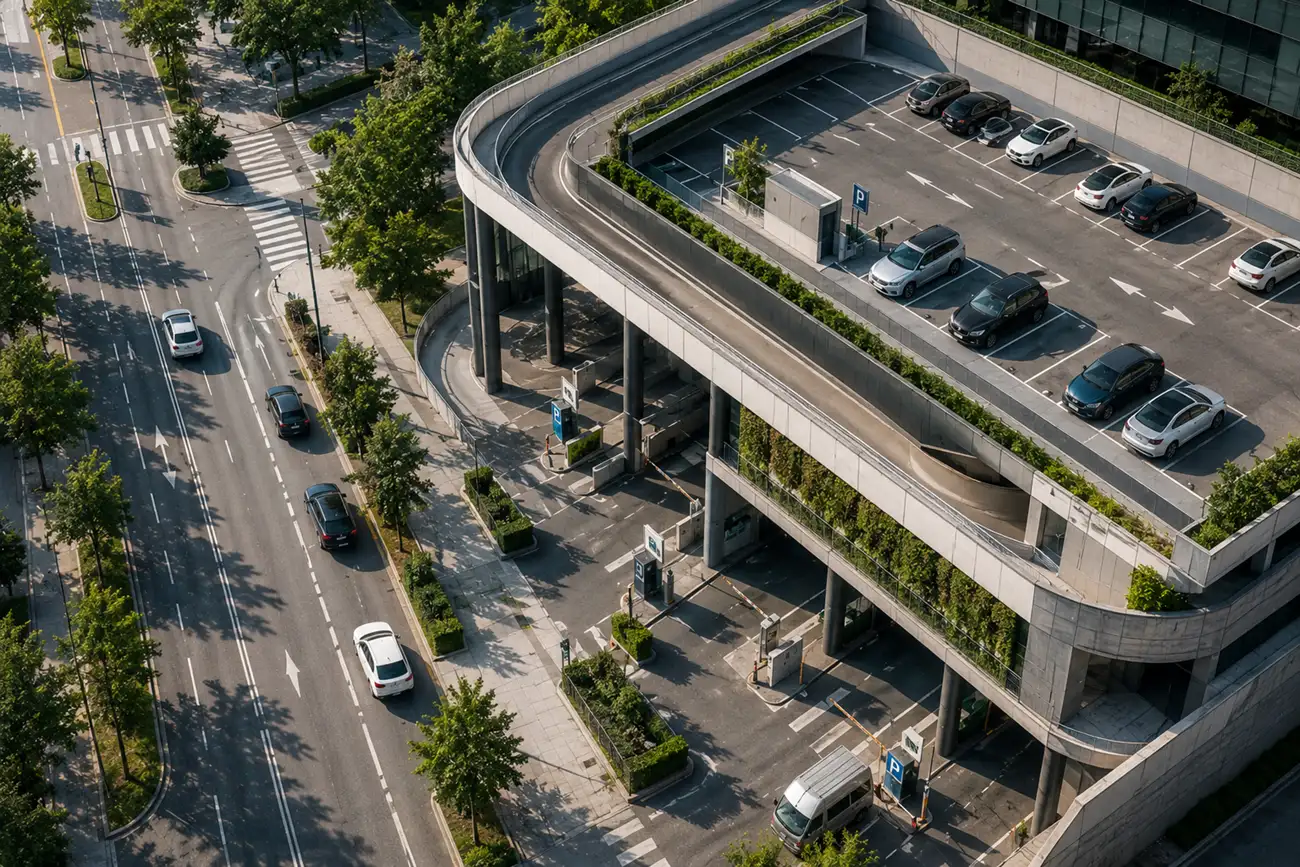
On-street refers to parking spaces on public roads, including regulated zones. Off-street covers facilities away from the public road, including underground, surface and multi-storey car parks.
Can car parks run by different operators be connected?
Yes, if systems are compatible and information-sharing agreements exist. Integration depends on interfaces, technology architecture and each operator's requirements.
Does every space need a sensor?
Not necessarily. Occupancy can be estimated using entry and exit counts or measured with individual space sensors. Choose according to the precision needed and site characteristics.
Towards more connected urban parking management
Smart parking demonstrates that technology's value lies not just in automating individual facilities but in linking services and using available information effectively.
With concepts such as 3SCPark, i+d3 explored connections between off-street parking, regulated street parking and urban services.
Today we continue offering smart city parking solutions tailored to authorities, concession holders and operators.
Want to connect and optimise parking across your city? Contact our team to discuss a solution for your project.