How to turn a staffed car park into an unattended facility
Can a car park operate without permanent on-site staff? Yes, if access, payments, monitoring and customer support work without staff on site.
An unattended car park uses automation and remote management for activities traditionally handled by employees.
But automation is more than adding barriers and removing the control desk. Operators also need clear payment methods, support procedures and remote monitoring.
Here are the requirements and steps for converting a staffed car park into an unattended facility.
What is an unattended car park and how does it work?
An unattended car park can handle routine operations without staff permanently on site.
It combines vehicle identification, stay recording, payments and monitoring.
For example, a ticketless system can read a number plate at entry and record the stay. Drivers can then pay by phone or machine. The system checks payment before allowing exit.
Teams may manage daily operations remotely. Intercoms and support services can help customers when problems arise.
Is automated parking the same as unattended parking?
Not exactly. Automatic barriers and payment machines do not make a site fully unattended. It also needs procedures that work when no staff are present.
Another option is partially unattended parking. Staff work during selected hours, while automated systems cover the rest.
What does a car park need to operate without on-site staff?
Identify which activities can be automated and which still require supervision.
1. Access systems suited to users
Entry and exit systems must identify vehicles and check access rights without routine manual help.
Options include:
- Automatic number plate recognition.
- Paper tickets with dispensers and readers.
- QR codes for bookings and authorised users.
- Cards and other digital credentials.
Ticketless access is not compulsory for unattended operation.
Compatible facilities can retain tickets and automate access and payments.
Appropriate identification and backup procedures are essential.
2. Self-service payment methods
Without a staffed till, drivers need independent payment options.
These include automatic pay stations, card payment kiosks and virtual payment platforms.
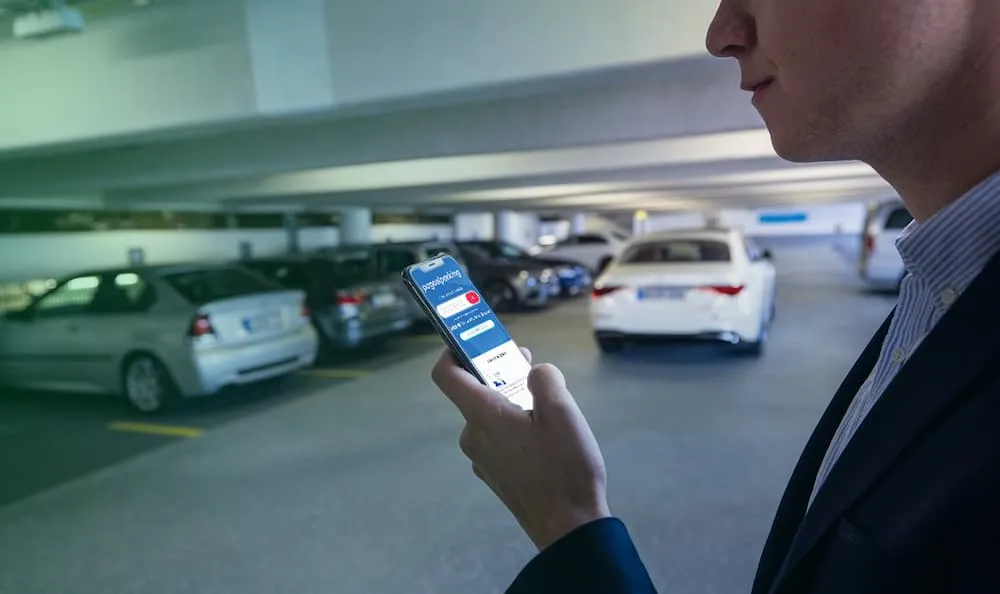
For example, Pagaelparking enables mobile payment at compatible facilities without visiting a machine.
Choose methods based on customer requirements.
Some car parks need machines that accept cash. Others may offer digital-only payments where suitable for their customers and local rules.
3. Remote management and monitoring
Managers need visibility without constantly visiting the site.
Centralised tools can show entries, stays, occupancy, payments and reservations.
They may also allow certain permissions and operations to be managed remotely.
This helps detect issues and control operations when staff are absent.
4. Customer assistance and incident handling
One crucial question is what happens when something goes wrong.
A subscriber may be denied entry, a customer may struggle to pay or a barrier may block departure.
Intercoms and remote customer support can provide assistance under established protocols.
Some incidents still require on-site technical intervention.
Define responsibility, coverage hours and escalation procedures.
5. Maintenance and contingency plans
Automation does not eliminate maintenance.
Barriers, cameras, payment equipment and communications need regular checks.
Plan for connectivity failures, power cuts and unavailable payment channels.
Contingency procedures must protect continuity of service and customer safety.
How to convert a staffed car park to unattended operation
Plan the transition around facility needs rather than equipment alone.
Step 1. Analyse current operations
Review:
- Parking spaces, entrances and exits.
- User groups: short-stay, subscriptions and reservations.
- Opening hours and staffing.
- Access and payment methods.
- Existing equipment and condition.
- Recurring incidents and assistance needs.
This reveals tasks currently dependent on employees.
Step 2. Define the level of automation
Not every car park needs unattended operation 24 hours a day.
You may begin with nights, weekends or quieter periods.
Some tasks can remain staffed while others are managed remotely.
Choose according to customer volumes, operating complexity and resources.
Step 3. Assess reusable equipment
Check the compatibility of existing barriers, terminals, cameras and payment machines before replacing them.
Some facilities can introduce digital software and services without changing every device.
Others need lane adaptations or equipment upgrades.
Technical assessment prevents unnecessary investment.
Step 4. Choose access and payment methods
Decide how customers are identified and pay.
Plan for exceptions such as unreadable plates, damaged tickets and customers unable to use digital payment.
Solutions must work in both normal and exceptional situations.
Step 5. Organise remote monitoring and support
Before removing staff, define how calls will be answered, who can perform authorised actions and what happens if someone must visit the site.
Procedures should match the facility's needs.
Step 6. Test before changing operations
Test entries, exits, payments, bookings and subscriber access.
Check assistance systems and incident procedures too.
Once validated, introduce unattended periods gradually and review performance before expanding.
Summary: stages of parking automation
| Stage | What to review | Expected outcome |
|---|---|---|
| Assessment | Users, hours, equipment and incidents | Understand actual needs |
| Design | Automation level and procedures | Define operating model |
| Compatibility | Barriers, machines, cameras and software | Reuse viable equipment |
| Implementation | Access, payments and monitoring | Integrate required systems |
| Assistance | Intercoms, support and contingencies | Prepare customer service |
| Validation | Testing and follow-up | Confirm operation |
The aim is not maximum technology but dependable operations with proportionate investment.
How much does it cost to make a car park unattended?
Cost depends on existing infrastructure and the desired level of automation.
Upgrading a facility with compatible barriers and cameras is not the same as replacing every access and payment system.
Factors affecting investment
Equipment. Barriers, cameras, terminals and payment machines to add or replace.
Installation. Cabling, communications, conduits and building modifications.
Software. Management platform, integrations and contracted features.
Support and maintenance. Monitoring, customer assistance and technical services.
Operating costs. Subscriptions, payment fees, consumables and routine checks.
Compare upfront and recurring costs with current operations to assess profitability.
Reduced on-site staffing can save money but should be weighed against new support and service costs.
What are the benefits of unattended parking?
Properly designed automation may benefit operators and customers.
Better resource allocation. Reduce repetitive tasks and focus in-person assistance where needed.
More flexible operating hours. Open during periods when permanent staffing is impractical.
Greater customer independence. Let drivers carry out routine operations themselves.
Remote visibility. Review activity without being on site.
More service options. Connected platforms can support online bookings, subscriptions and compatible features.
Results depend on the facility, installed tools and operating model.
Which mistakes should be avoided?
Poorly planned automation can reproduce old problems in a new system.
Removing staff before preparing assistance
Automated payments and access do not resolve every incident.
Plan how customers request help and when someone must intervene.
Choosing equipment without assessing the site
Camera position, traffic patterns and compatibility affect performance.
A setup that works in one car park may fail in another.
Relying on only one payment method
Mobile-only payments may not suit every customer.
Consider whether a backup channel is needed.
Ignoring connectivity and power failures
Connected facilities require contingency procedures for unavailable equipment or services.
Neglecting safety and accessibility
Removing permanent staff must not compromise safety or access.
Review relevant accessibility, evacuation, fire safety and emergency assistance requirements.
Real example: Baqueira Beret unattended parking
Baqueira Beret illustrates technology supporting independent parking operation.
i+d3 installed number plate recognition, automatic barriers and occupancy information displays.
Rear plate reading helps identify vehicles when snow obscures front plates.
The facility uses ticketless parking and online payments via Pagaelparking without relying on physical pay stations.
This demonstrates how technology can adapt to demanding weather conditions and concentrated traffic.
See the Baqueira Beret case study.
Frequently asked questions about unattended car parks
Can a car park operate without employees?
Yes. Routine tasks can be automated and managed remotely, provided assistance, maintenance and incident procedures remain available.
Must unattended parking be ticketless?
No. It can use paper tickets, number plates or hybrid systems if they support independent operation.
Must automatic pay stations be removed?
No. An unattended site can retain physical machines, use mobile payment or combine both.
Can parking be automated only at night?
Yes. Partially unattended operation can combine staffed periods with automation at other times.
Must all barriers and cameras be replaced?
It depends on their condition and compatibility. Some equipment can remain while other components require upgrades.
What happens when equipment fails at an unattended site?
Follow established contingency procedures. Some problems can be managed remotely; others require technical or on-site assistance.
Make your car park more independent
Unattended operation requires coordinated technology, management and customer support.
Start by understanding current operations, which tasks can be automated and what resources are required to maintain service quality.
At i+d3, we develop parking equipment tailored to each project.
Want to reduce dependence on on-site staffing? Contact our team to explore the appropriate level of automation.