Request
a Quote


Parking guidance sensor
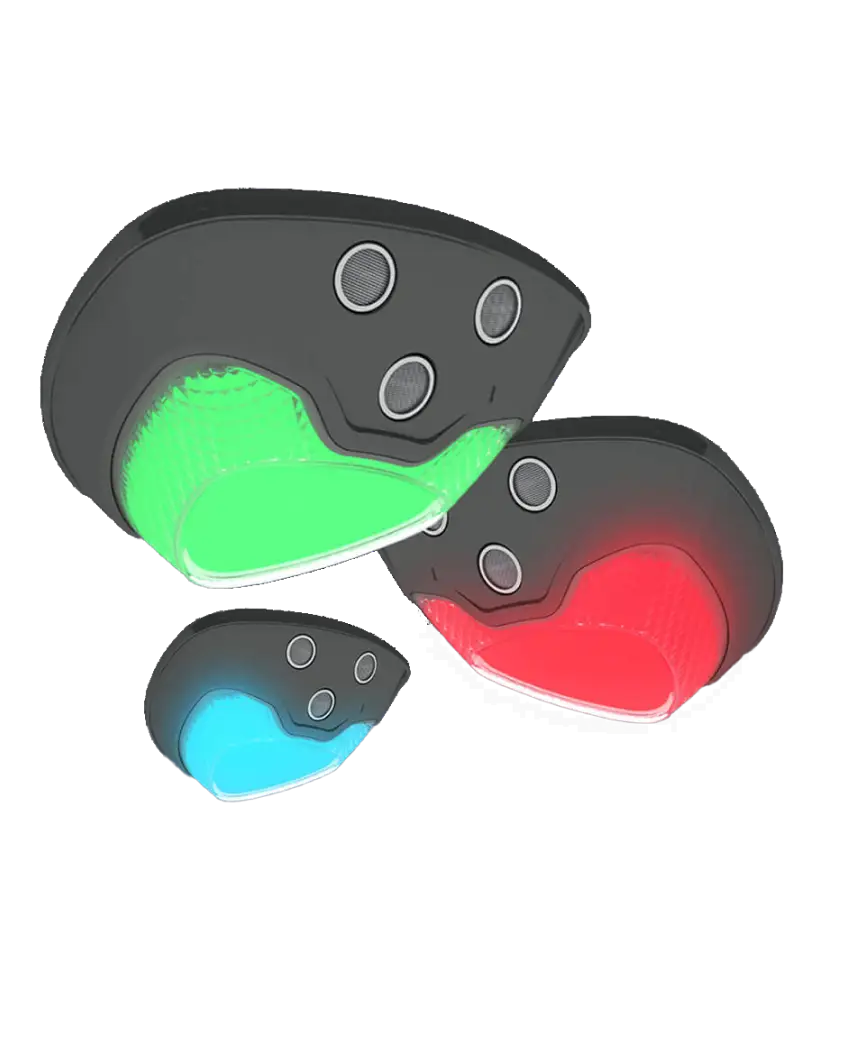
The i+D3 ultrasonic sensor is designed to make parking easier for users, reducing the time it takes from entry to parking, and easing the traffic congestion typically generated when searching for an available space, thereby reducing pollution and noise.The main advantage of this parking sensor model is the combination of two devices into one. The ultrasonic sensors and the LED indicator are integrated into the same body, offering a more economical installation and improved maintenance.
- High-reliability and highly accurate space detection
- LED status indicator (green, red, and blue)
- More economical installation and simplified maintenance
No items found.


Cuts the time spent looking for a space
Visual signalling makes available spaces easier to spot and reduces unnecessary driving inside the car park.
Simplifies installation
Sensor and LED indicator are integrated in a single device, reducing the number of elements needed at each detection point.
Helps drivers find their way
The LED shows the status of the spaces from the aisle, without having to check them one by one.
Scalable system
The sensors can be integrated with zone controllers, information panels and the rest of the guidance system to suit the size of the car park.
Detection and signalling in a single sensor

Ultrasonic detection of the space
The sensor uses ultrasonic technology to detect a vehicle by measuring distance, with a maximum range of 2 m and a specified maximum error of 0.1 m.
Integrated RGB LED indicator
The status of the space can be identified visually through a high-brightness RGB LED, making it easy for drivers to see from the aisle which spaces are free.
RS485 communication
The RS485 connection lets the sensors communicate with the guidance system's control equipment over distances of up to 1,000 m.
How does the ultrasonic parking sensor work?

Where is the guidance sensor installed?
Can it be confused by small cars, motorbikes or other objects?
How does natural light affect the sensor?
Does it integrate with other parking systems?
What do the LED colours mean?